
Reims: two UNESCO stories
Reims has two separate World Heritage stories. Notre-Dame Cathedral, the former Abbey of Saint-Remi and the Palais du Tau were inscribed in 1991. Saint-Nicaise Hill belongs to the Champagne Hillsides, Houses and Cellars property, inscribed in 2015. The cathedral stands in the centre; the chalk-cellar estates spread to its south-east.
The Champagne visits are individual bookings: Ruinart at 4 rue des Crayères, Taittinger at 9 place Saint-Nicaise, Pommery at 5 place du Général Gouraud and Veuve Clicquot at 1 rue Albert Thomas. Mumm, north of the centre at 34 rue du Champ de Mars, and Lanson, south-west at 66 rue de Courlancy, belong on different routes.
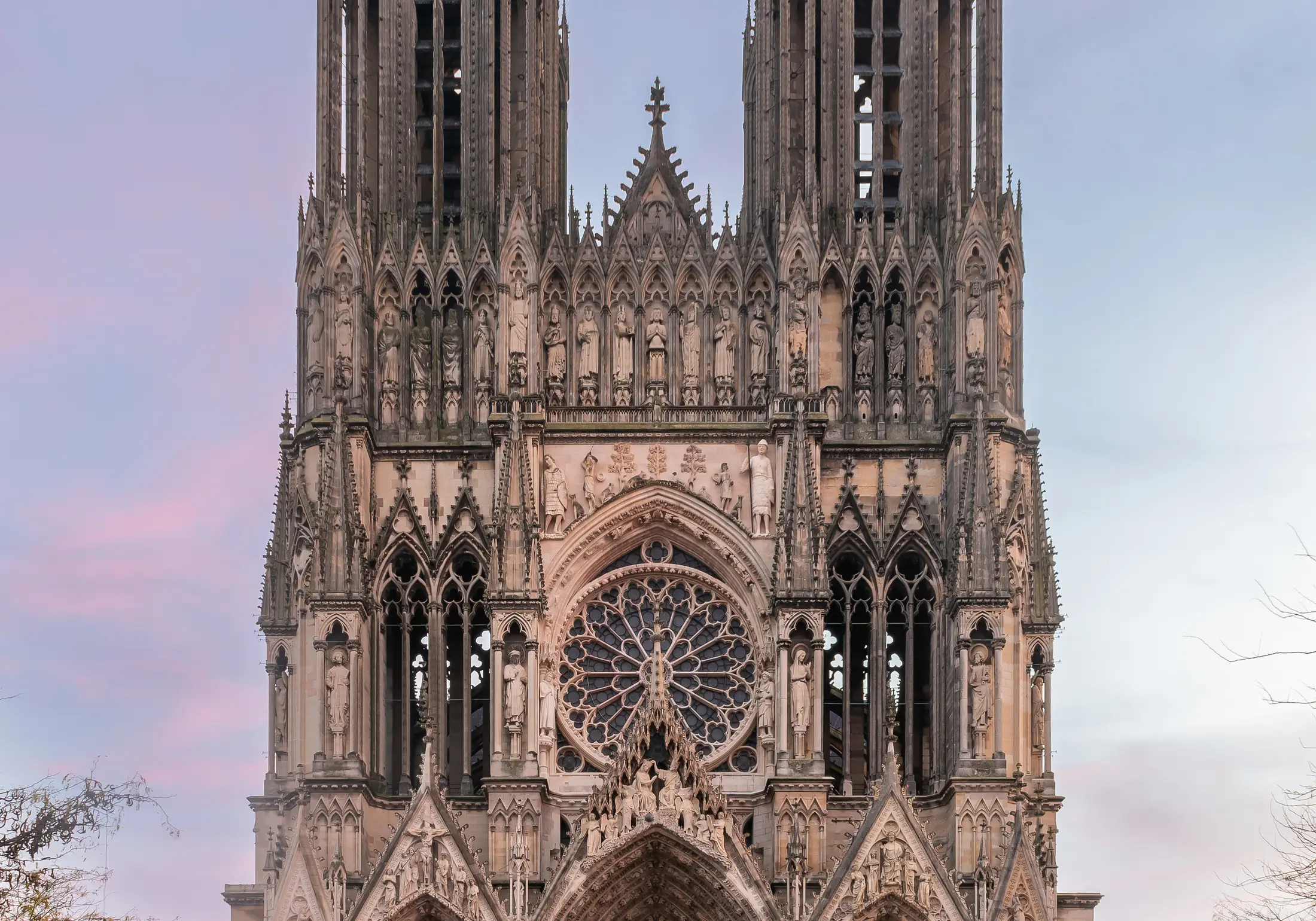
Notre-Dame: coronations, Chagall and the Angel
The Reims tourist office counts 33 royal coronations in the city. The Marne tourism account places them between Louis the Pious in 816 and Charles X in 1825. Charles VII’s coronation, associated with Joan of Arc, is one of the central episodes behind the city’s Fêtes Johanniques heritage.
Inside Notre-Dame, the axial chapel contains Marc Chagall’s three blue stained-glass windows, installed in 1974. Outside, look at the north portal of the west façade for the Smiling Angel. The Centre des monuments nationaux dates the sculpture to the 13th century and records the loss of its head in the cathedral fire on 19 September 1914. Its restoration became part of Reims’s reconstruction in the 1920s.
The cathedral’s ground-level church visit and the separately operated tower visit are different products. The official cathedral towers website carries its own tickets and access information. The tourist office is on the cathedral forecourt at 6 rue Rockefeller; its city walks start from the cathedral area, not from Champagne-Ardenne TGV station.

Palais du Tau: renovation remains the key fact
The Palais du Tau adjoins the cathedral on place du Cardinal Luçon. This former archbishop’s palace is part of the 1991 UNESCO inscription. Its royal role included the coronation banquet; the Champagne World Heritage mission describes its 15th-century great hall and the later museum collections.
The Centre des monuments nationaux website still advertises the future visitor route and the palace’s closure for renovation (checked October 2026). Treat the palace as an exterior stop until the operator publishes a reopening programme. A World Heritage listing does not establish present-day museum access.
Saint-Remi and Saint-Nicaise Hill
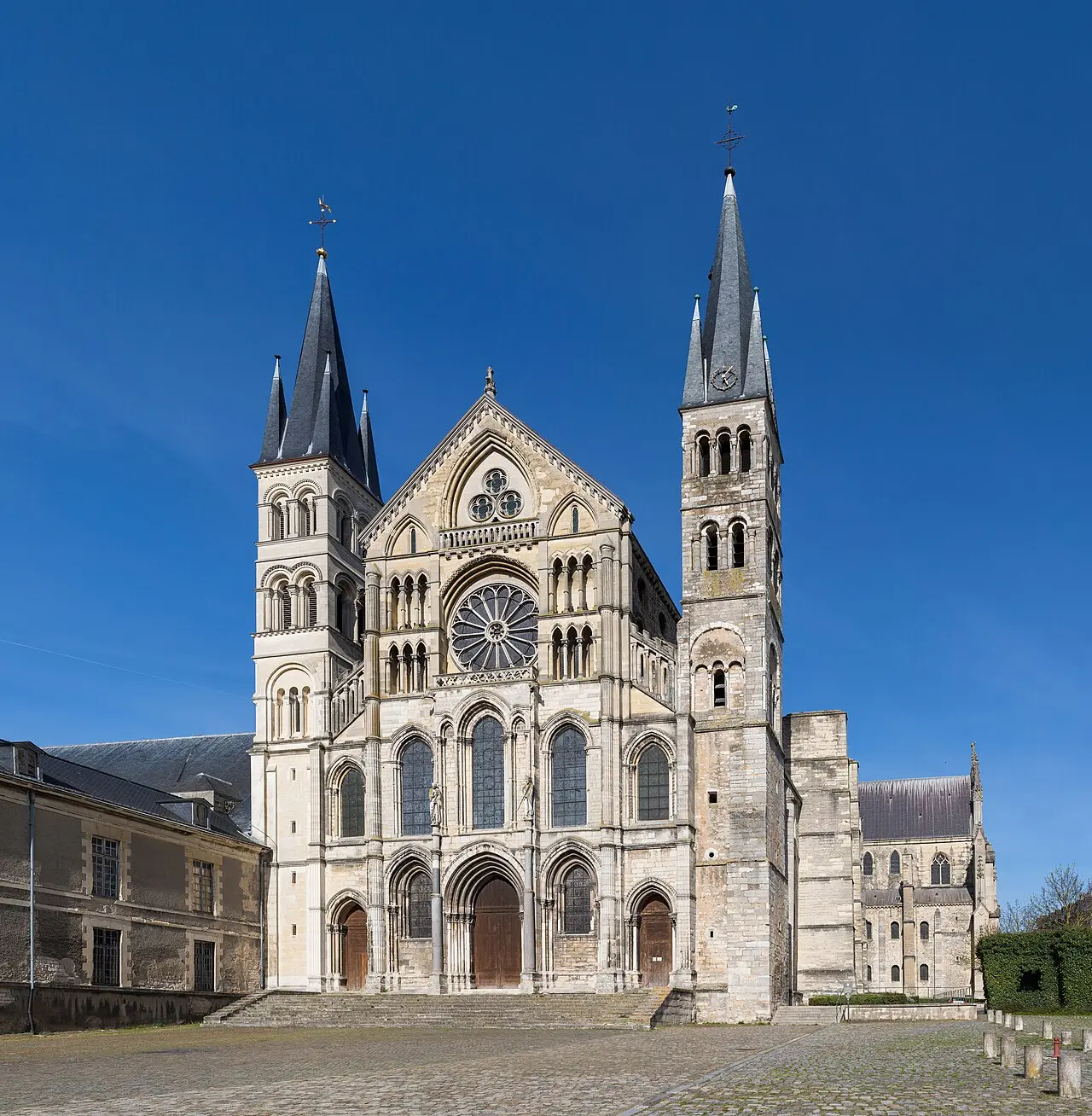
The former Abbey of Saint-Remi belongs to the cathedral’s World Heritage property. The adjoining Saint-Remi Basilica is a separate religious building from Notre-Dame: do not confuse a basilica visit with a cathedral tower ticket. The Musée Saint-Remi occupies the former abbey at 53 rue Simon.
Saint-Nicaise Hill connects the city’s Champagne cellars with the history of chalk extraction. Taittinger’s visitor site incorporates remains of the former Saint-Nicaise Abbey and Gallo-Roman chalk quarries; Ruinart matures wines in former chalk quarries; Pommery combines chalk-cellar spaces with contemporary art. The relevant UNESCO property is the Champagne inscription of 2015.
The four Saint-Nicaise estates have separate entrances and timetables. Pommery’s visitor instructions specify the Pommery bus stop and courtyard parking; Ruinart names the Crayère–Rue des Crayères stop. Use Grand Reims Mobilités for the route operating on your visit date.

Taittinger
Reims. public booking.
Instant Rosé: Cellar visit with Brut Réserve and Prestige Rosé tasting.
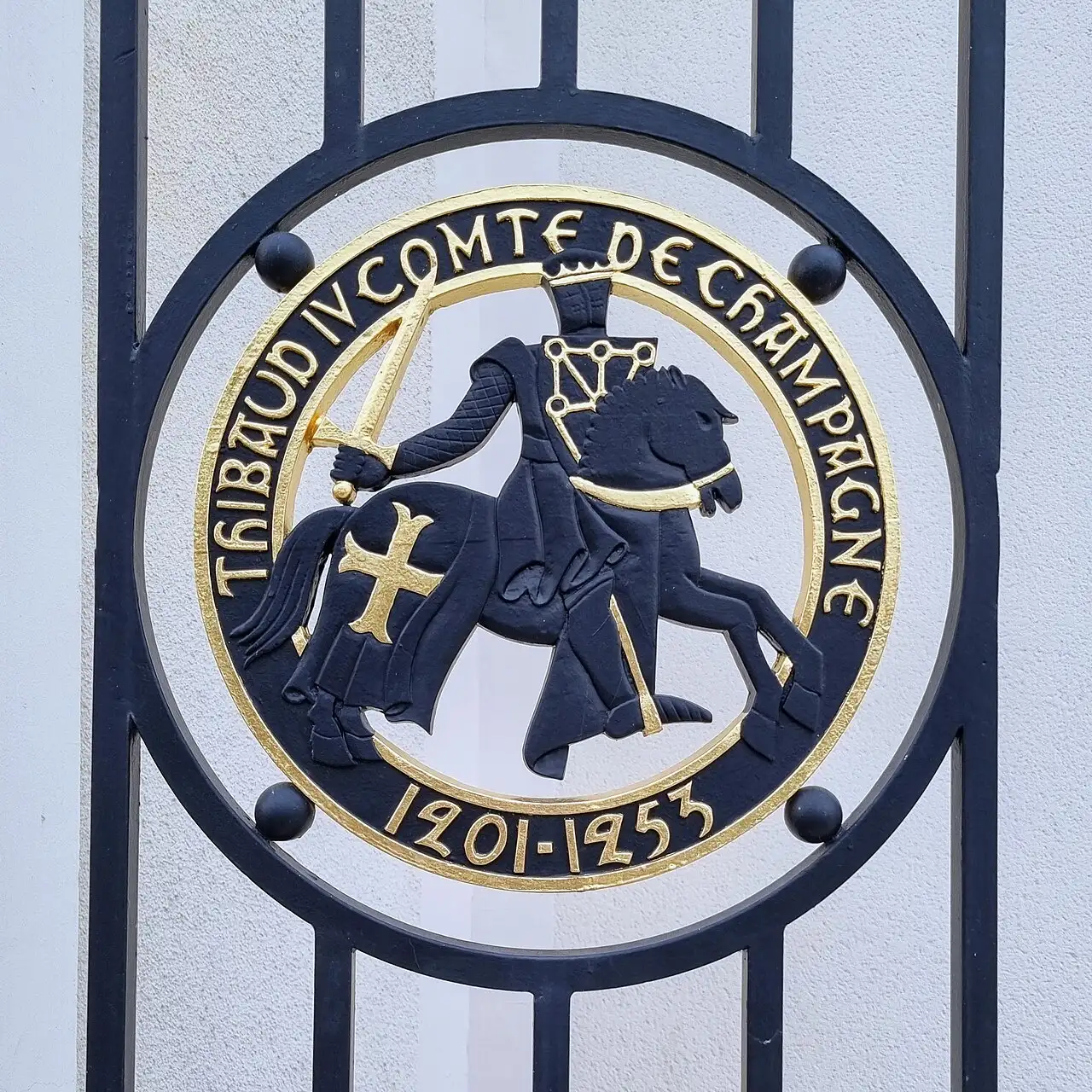
Historic visitor site is the former Abbey of Saint-Nicaise. Official site advertises four tasting experiences, Polychrome restaurant and Chromatique boutique.
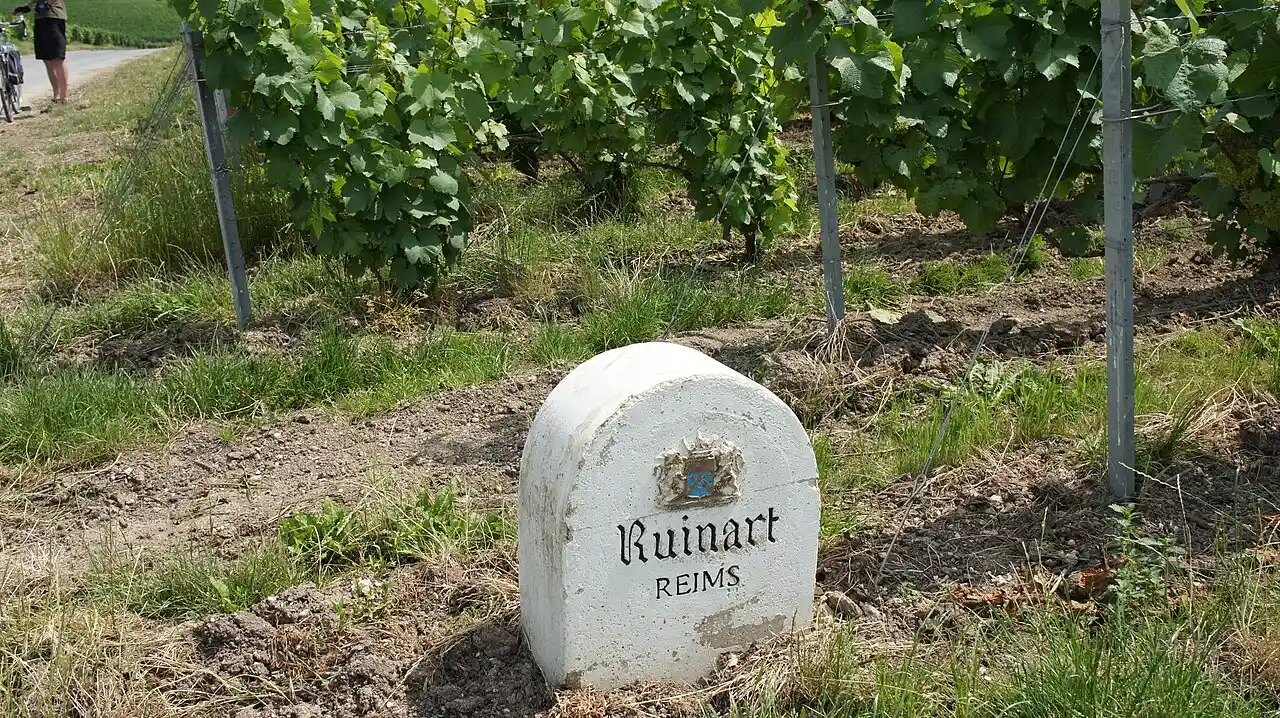
Ruinart
4 rue des Crayères, Reims. public booking.
Visit of the Crayères: Guided chalk-cellar tour followed by a guided tasting of two cuvées. Signature Chardonnay: Cellar discovery and a three-cuvée Chardonnay tasting.
Former chalk quarries are used to mature the wines. French and English options are advertised.
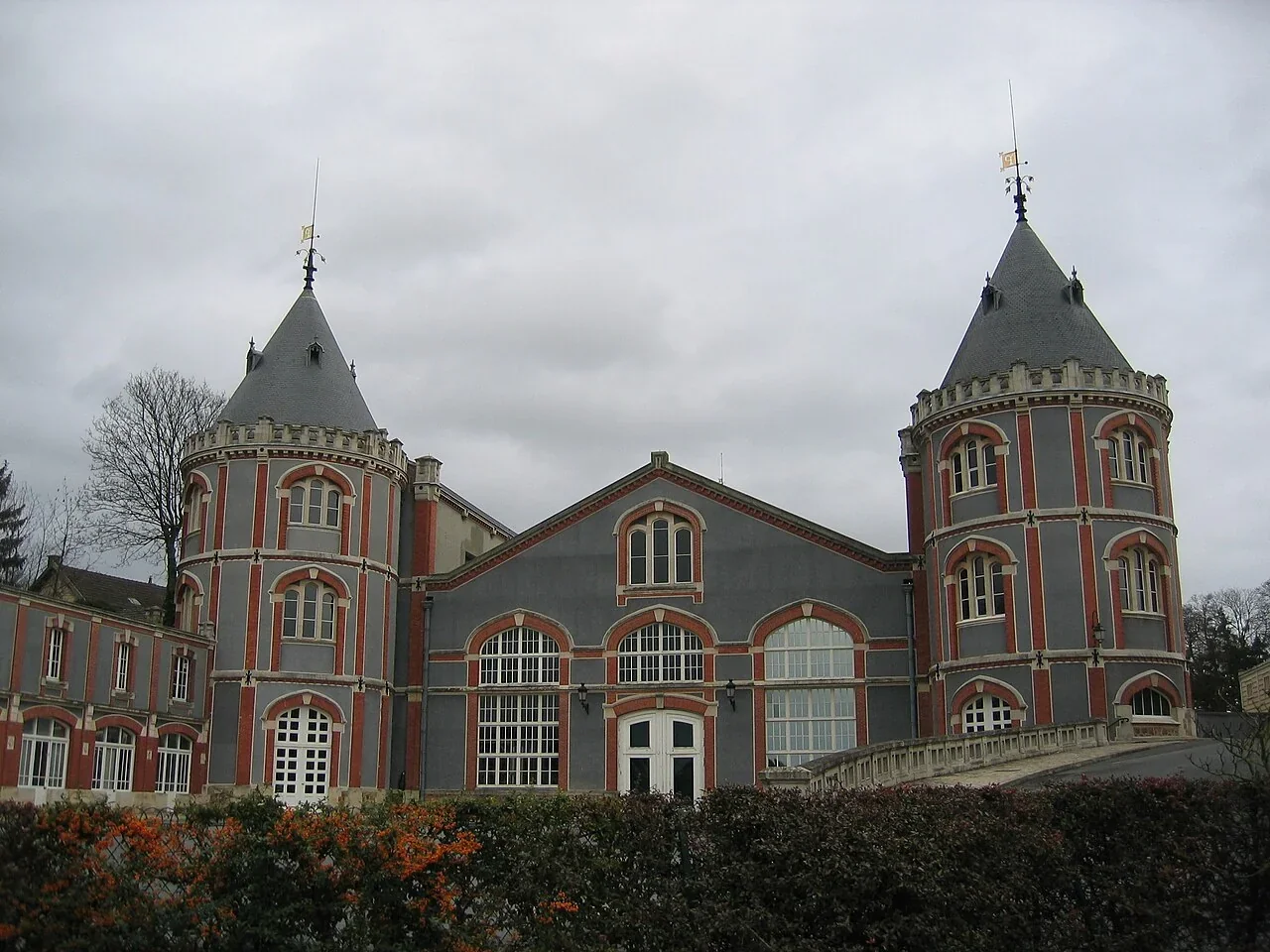
Pommery
5 Place du Général Gouraud, Reims. public booking.
Guided Tour of Pommery Cellars: Chalk-cellar tour, contemporary art and Madame Pommery museum, concluding with a tasting. Self-guided tour of Pommery cellars: Independent cellar and art exploration with digital/audio guidance.
Estate has Elizabethan-style buildings and Gallo-Roman chalk pits. Visitor information says cellars are 10°C.
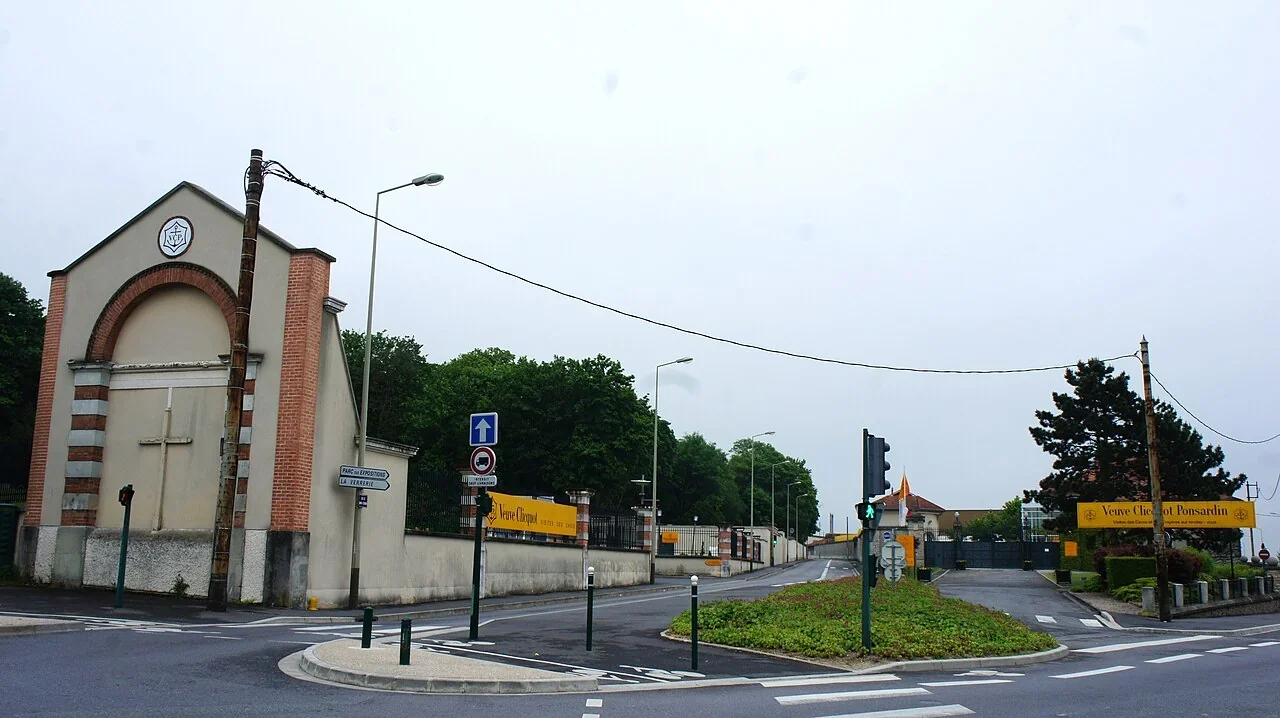
Veuve Clicquot
1 Rue Albert Thomas, Reims. public booking.
Brut Yellow Label, the birth of a style: Historic-cellar visit centred on Yellow Label. The art of blended rosé champagne: Cellar experience exploring blended rosé.
Visit centre also has Café Clicquot. Access needs should be mentioned when booking.
Mumm, Lanson and central producers
Mumm’s visitor entrance is 34 rue du Champ de Mars. Its Pinot Noir-led house was founded in 1827; the official Vintage Grand Cru Experience compares two vintage RSRV wines. The producer specifies first-level-only reduced-mobility access, so the accessible route needs direct arrangement with Mumm.
Lanson is at 66 rue de Courlancy. Its Original Creation visit runs through the house, garden, winery and cellars before Le Black Création; Emblematic Creation adds Le Rosé Création. Lanson advertises French and English visits, plus shop and tasting access without a tour reservation.
Thiénot’s Le N°3 at 3 rue du Marc provides a central alternative to Saint-Nicaise Hill. Its free ground-floor educational route is distinct from the booked cellar visits. Charles de Cazanove’s shop is at 8 place de la République, close to the station and Boulingrin; the official house dates to 1811. G.H. Martel’s museum-cellar reception is at 17 rue des Créneaux near Saint-Remi.
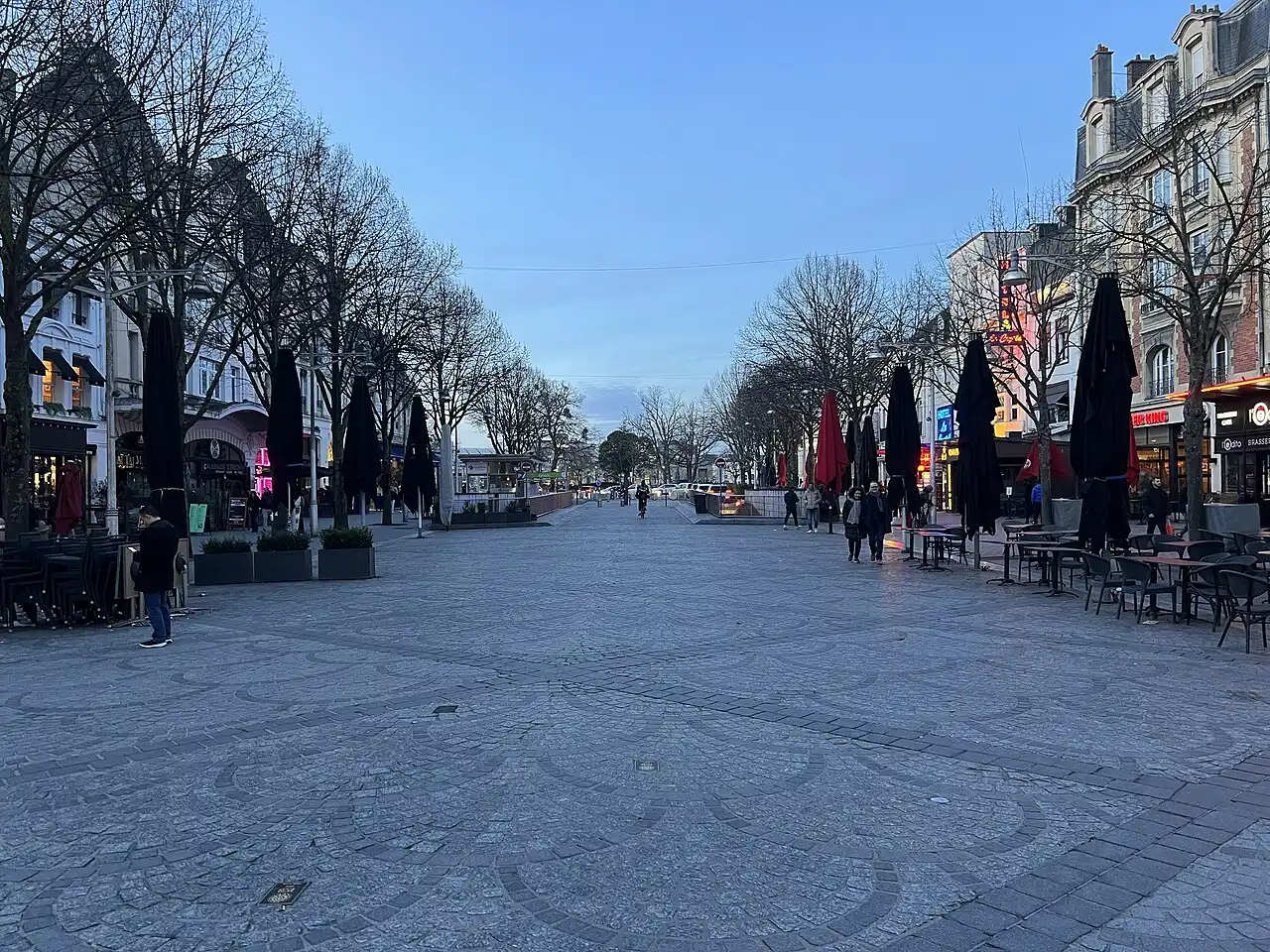

Boulingrin market and biscuits roses
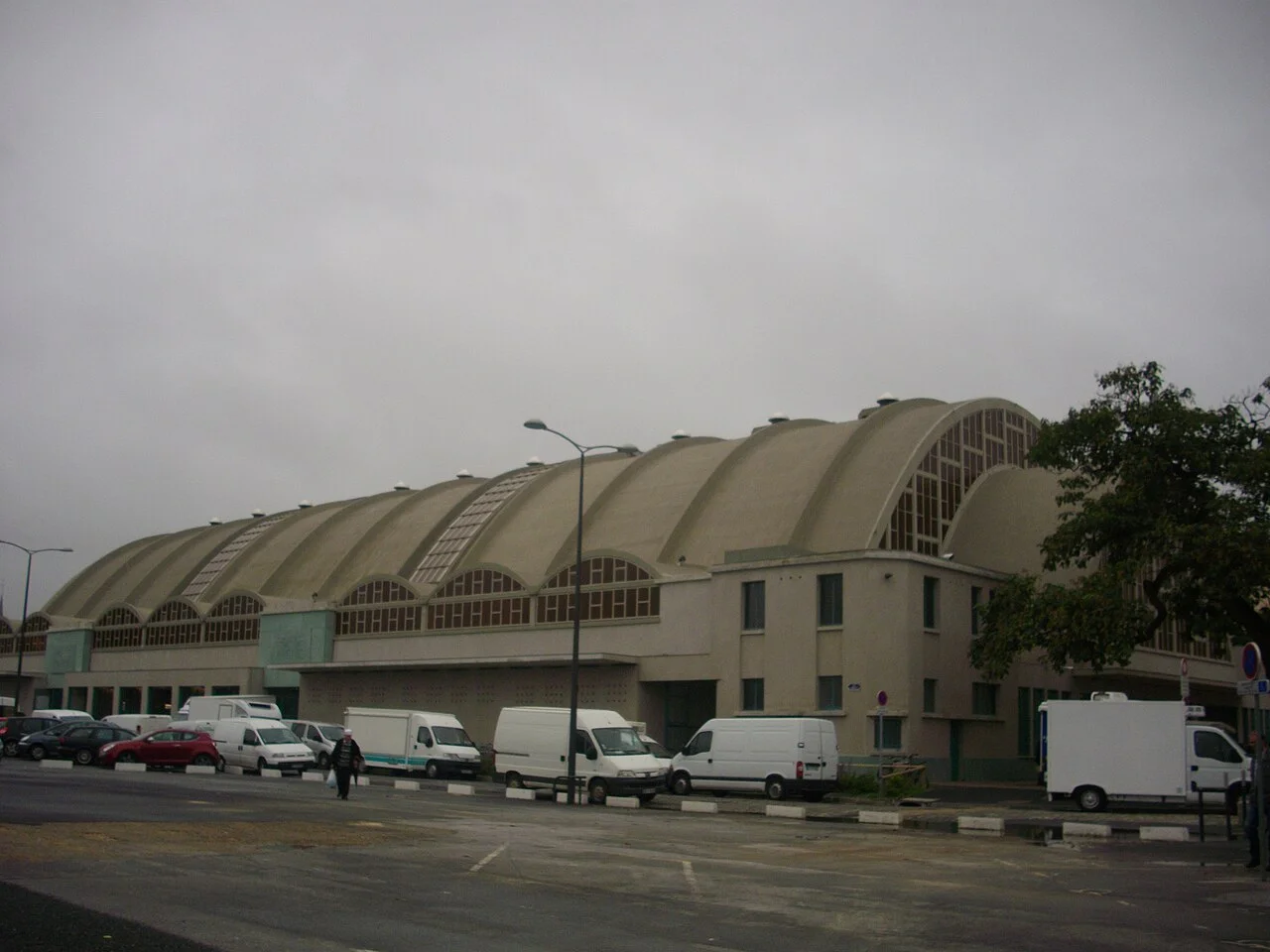
The Halles du Boulingrin date from 1929. The city’s current market page lists Friday 07:00–13:00 and Saturday 06:00–14:00 (checked October 2026). The tourist-office directory also displays Wednesday and Friday-evening hours; because those listings disagree, this guide follows the newer city page and links the city market timetable.
Maison Fossier’s cathedral-area shop is at 25 cours Jean-Baptiste Langlet. The biscuit maker sells the city’s biscuits roses as well as croquignoles and bouchons au marc. A visit to that shop is different from a factory tour at the separate La Neuvillette site; book the latter through Fossier’s own visitor offer.
Trésors de Champagne, La Boutique is at 2 rue Olivier Métra in the Boulingrin quarter. The tourist office lists it as a Champagne shop and tasting address. This gives the Boulingrin market walk a named grower-Champagne stop without requiring another cellar tour.
Named tables: Drouet-d’Erlon and Boulingrin
Place Drouet-d’Erlon has a group of central restaurants listed by Reims Tourisme: L’Edito at 78–80, L’Apostrophe at 59 and Brasserie Excelsior at 96. Their position suits an evening based around Reims-Centre station and the central shopping streets. Menus and table bookings belong to each restaurant; no assumed opening night or meal price is given here.
The Boulingrin quarter has the market and Trésors de Champagne on rue Olivier Métra. Brasserie du Boulingrin publishes its own Champagne list, including Pol Roger, Louis Roederer and Laurent-Perrier. Read its current menus and wine list before reserving a particular bottle.
South-east of the centre, Domaine Les Crayères places Le Parc and Brasserie Le Jardin beside the Saint-Nicaise estates. The domaine’s own booking page separates restaurant and hotel bookings. Le Parc appears in the 2026 Michelin Guide France as a two-star restaurant.

Reims-Centre and Champagne-Ardenne TGV
Reims-Centre is the central railway station. Champagne-Ardenne TGV is a different station outside the centre, at Bezannes; a ticket to that station is not a ticket to Reims-Centre. SNCF Connect shows the arrival station and any onward train on the selected itinerary.
Grand Reims Mobilités operates the tram and bus network. The operator’s September 2026 pocket plan is the route authority: older pages using earlier tram line letters may no longer describe the current network. Search the actual arrival station and the house’s street address in the operator’s journey planner.
From the UK, Eurostar arrives at Paris Gare du Nord. Reims trains depart Paris Gare de l’Est, so the Paris station change must be part of the booking. The Getting There guide covers the rail connection and the LeShuttle/A26 driving alternative.
Stay in Reims or add an Épernay night
A Reims-Centre stay serves the railway station, Drouet-d’Erlon and Boulingrin. A cathedral-area stay places Notre-Dame and the tourist office at 6 rue Rockefeller on the doorstep. Saint-Nicaise house visits still require an onward walk or local transport from either central area.
Search Find hotels in Reims,%20France">Reims stays on Booking.com for your dates. The accommodation guide distinguishes central hotels from vineyard accommodation. Booking.com links use our CJ affiliate format; we may earn commission from eligible bookings.

Reims events with a published 2026 position
The Reims Christmas market is announced for 25 November–27 December 2026 at the Hautes Promenades Jean-Louis Schneiter and esplanade de la Porte de Mars. Those locations place it near Reims-Centre and the Boulingrin quarter. The Christmas market guide links the city programme.
Regalia’s official 2026 return date is 29 May. The city describes the cathedral and Saint-Remi outdoor projections as free and without reservation; the full seasonal programme determines the relevant façade and evening. The Fêtes Johanniques successor, Reims, l’Épopée Légendaire, took place on 30–31 May 2026. The city now announces its next edition for 29–30 May 2027.
The Flâneries Musicales organiser lists a Dmitry Masleev recital at Salle Louise, Domaine Pommery, on 16 December 2026 at 19:00. That is a separately ticketed concert, not evidence for an unconfirmed future summer festival date range.
Vineyard routes from Reims
The Montagne de Reims adds the Faux de Verzy’s 3 km discovery loop and the Phare de Verzenay. The lighthouse visitor route climbs 101 steps; the ground-level Musée de la Vigne is a different part of the attraction. Canard-Duchêne’s visitor site is at 1 rue Edmond Canard in Ludes.
Épernay’s Avenue de Champagne is 1.5 km long and contains Moët & Chandon, Boizel and Mercier. Reims and Épernay have separate railway stations and house bookings: use the Épernay walk for the street numbers. Hautvillers is associated with Dom Pérignon’s tomb in the public Saint-Sindulphe church; the neighbouring Saint-Pierre Abbey is private.
The tower route: 249 steps and the kings’ gallery
The Centre des monuments nationaux counts 249 steps on the cathedral tower route. The bell-tower angel stands at 87 metres, according to the monument operator. The towers rise to 83 metres; the kings’ gallery is 40 metres above the ground. The statues encountered on that high-level route are approximately 4.6 metres tall and weigh nearly eight tonnes. Those figures establish the scale of the climb and explain why a tower ticket is a different visit from the cathedral floor.
The west façade’s paired towers have no spires. The Centre des monuments nationaux also points out the projecting portals and openwork tympana. The west façade is organised around three portals and four main levels, rising from the portals to the kings’ gallery and belfries. The portal on the left depicts the Passion, the right the Apocalypse and Last Judgement, and the centre the Virgin Mary. The cathedral’s total sculptural programme has 2,302 statues, including 58 royal figures on the façade.
The mid-14th-century kings’ gallery represents the baptism of Clovis. Its central group includes Clovis in the font, Bishop Remi and Clotilde, with the dove carrying the Holy Ampulla. The operator distinguishes that legendary narrative from the historical use of the holy oil to anoint kings during the coronation ceremony.
Henri Deneux’s concrete roof and Carnegie’s library
The cathedral’s roof structure is reinforced concrete, not surviving medieval timber. The fire of 19 September 1914 destroyed the earlier oak structure and lead covering. Architect Henri Deneux built the replacement between 1924 and 1926, adapting a system of small interlocking elements associated with Renaissance architect Philibert Delorme.
John D. Rockefeller Jr made restoration donations from 1924; the Centre des monuments nationaux says they covered 37 per cent of the overall project. The monument operator gives the roof frame a volume of 2,000 cubic metres and a weight of 1,600 tonnes. The tower visit allows a close look at Deneux’s reconstructed roof frame. Its concrete components form part of the cathedral’s 20th-century history, alongside the restored medieval sculpture and newer stained glass.
The Bibliothèque Carnegie is at 2 place Carnegie, by the cathedral. It was funded by American steel magnate Andrew Carnegie’s donation and inaugurated in 1928 by President Gaston Doumergue. The city’s dedicated architecture leaflet is the source for its Art Deco setting; the library is a separate visit from Notre-Dame’s paid high-level route.
Porte de Mars, Le Vergeur and the surrender museum
Porte de Mars stands on place de la République, beside the Hautes Promenades and near Boulingrin. The official city visitor route gives the Roman arch a length of 32.4 metres. This places a named Roman monument on the station-and-market walk, before the route turns towards the cathedral or rue du Marc.
Musée-Hôtel Le Vergeur–Maison Hugues Krafft is at 36 place du Forum. The official museum timetable specifies guided visits only, with a maximum of 15 people per slot. It lists a Monday closure and separate garden access, so a freely accessible garden should not be mistaken for an unrestricted museum interior.
The Musée de la Reddition is at 12 rue Franklin Roosevelt. It occupies part of the former collège moderne, now Lycée Roosevelt, around the War Room where the German surrender to the Allied forces was signed at dawn on 7 May 1945. The museum’s own October 2026 page describes the preserved map room as the centre of the visit.
The surrender museum, Porte de Mars and Le Vergeur give Reims three named historical stops outside the cathedral-and-cellar circuit. Their addresses lie in different parts of the centre: rue Franklin Roosevelt, place de la République and place du Forum. The official museum pages carry the dated access notices; none of these buildings is a Champagne-house tasting reception.
What the 1991 UNESCO listing protects
UNESCO inscribed the cathedral, former Saint-Remi Abbey and Palais du Tau under criteria (i), (ii) and (vi). The criteria recognise Gothic architectural and sculptural achievement, influence on later European buildings, and the association with the French monarchy. The listed property covers 4.16 hectares. The cathedral has been protected as a Historic Monument since 1862; the Palais du Tau since 1886. This is a compact heritage property, distinct from the wider vineyard-and-cellar landscape of the 2015 Champagne inscription.
The UNESCO account explains the coronation sequence across the three monuments: the king lodged at the Palais du Tau, prayed in its Palatine Chapel and attended the banquet after the cathedral ceremony. Saint-Remi held the Holy Ampulla used for the anointing. The surviving 13th-century chapel and 15th-century banquet hall explain the palace’s historical importance even while its current visitor route remains closed for renovation.
Reims questions answered
Can I visit the Palais du Tau? The Palais du Tau is closed for renovation; admire its exterior from the cathedral square.
Which railway station should I enter? Search Reims-Centre for the central station; Champagne-Ardenne TGV is at Bezannes. SNCF Connect displays the station name before payment.
Are all the famous houses open? Ruinart, Taittinger, Pommery, Veuve Clicquot, Mumm and Lanson advertise public bookings. Krug explicitly says it is not open to the general public. Charles Heidsieck is listed by the Comité Champagne as appointment-only.
Which market days are used here? Friday and Saturday, following the city’s current Halles du Boulingrin page. The tourist-office directory differs on Wednesday; the city timetable is linked above.
How do you pronounce Reims?
Reims is one syllable, roughly “rance”, with a nasal vowel and an audible final s: /ʁɛ̃s/ in French. Forvo’s French recordings provide examples from native speakers.
Plan your trip to Reims
Get there
Book a tour
Select the departure point and date on the booking page. Check the meeting point, language and inclusions before paying.
Compare toursWe may earn a commission if you book through these links, at no extra cost to you.