

Start with Épernay or Reims
For a first Champagne visit, start with the place you want to explore between tastings. Épernay puts Moët & Chandon at 18 avenue de Champagne and Mercier at number 68 on the same street. Reims combines Notre-Dame Cathedral with a separate cellar district around Saint-Nicaise Hill, where Taittinger, Ruinart, Pommery and Veuve Clicquot receive booked visitors. Our Épernay walk and Reims guide show those addresses alongside places to eat and stay.
Épernay station and Reims Centre are useful names to save before buying rail tickets. Champagne-Ardenne TGV is a different station outside central Reims, not another name for Reims Centre. Moët & Chandon quotes five minutes on foot from Épernay station to its visitor entrance. A train arriving at Champagne-Ardenne TGV needs an onward connection before a city-centre meeting or a Saint-Nicaise cellar appointment.
Book the experience, language and address together
Moët & Chandon’s official booking page filters experiences by date, number of people and experience type. The Imperial Moment combines a cellar visit with Moët Impérial and Rosé Impérial: 90 minutes, from €48 per adult (checked October 2026). Signature replaces the rosé with Grand Vintage Blanc and is listed at €65 for the same duration (checked October 2026). Those are two different tasting choices, even though both begin at 18 avenue de Champagne.
Select English or French before paying for a Moët & Chandon departure. At Mercier, audio-player visits are advertised in eleven languages, while live guided tours use French or English. A French-language guided visit and an English audio visit offer different experiences of the same cellar. Save the named product, language, visitor address and ticket time together so everyone in your party arrives for the experience they bought.
A booking request can also be a direct enquiry. Billecart-Salmon’s official form prioritises professionals, loyal customers and partners, does not accept requests more than three months ahead, and excludes children under twelve. Pol Roger at 34 avenue de Champagne says its premises are not open for public visits. For a guaranteed cellar appointment in Épernay, choose one of the houses with a dated public reservation instead of treating every Avenue gate as an entrance.

What happens underground
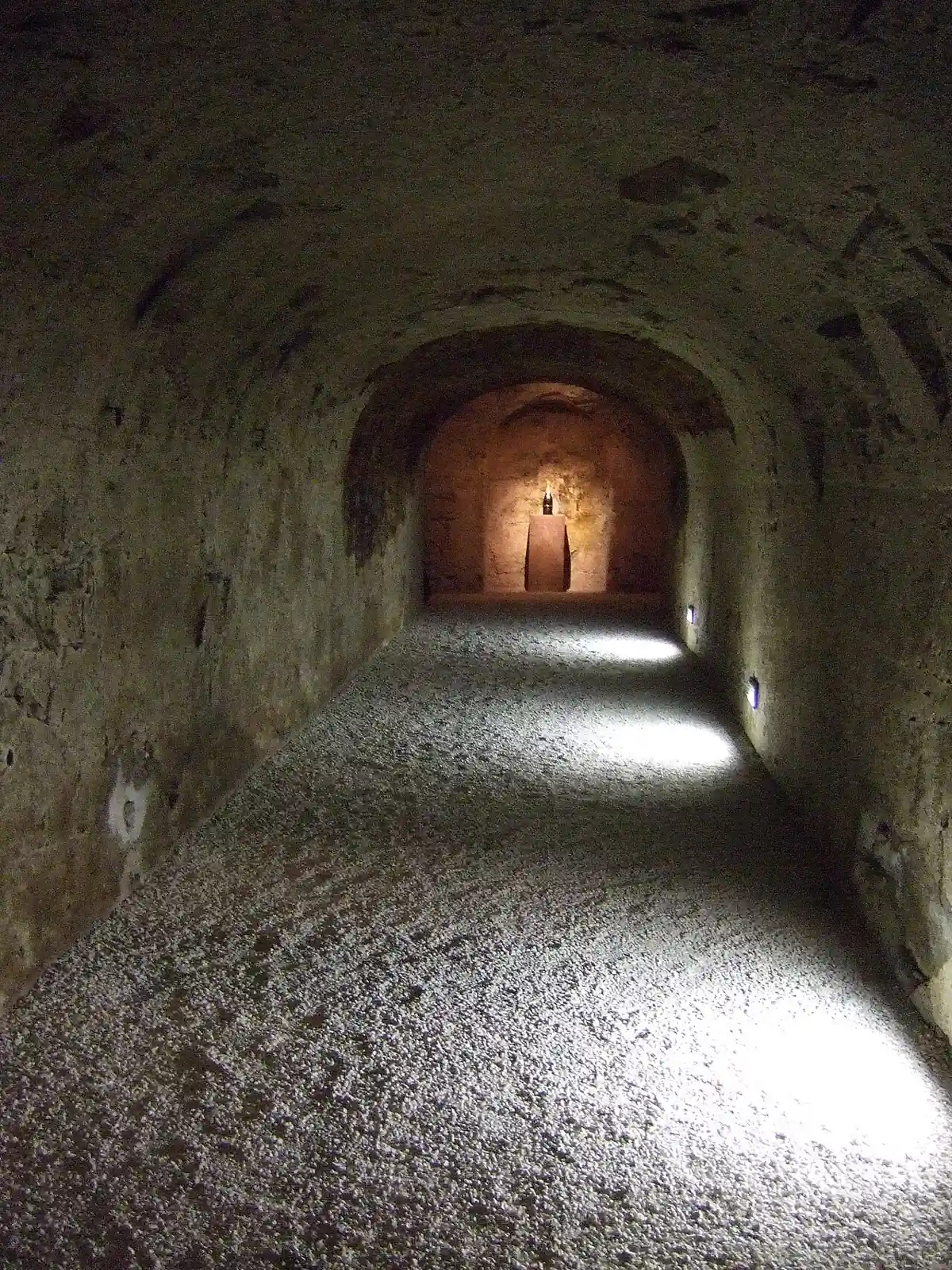
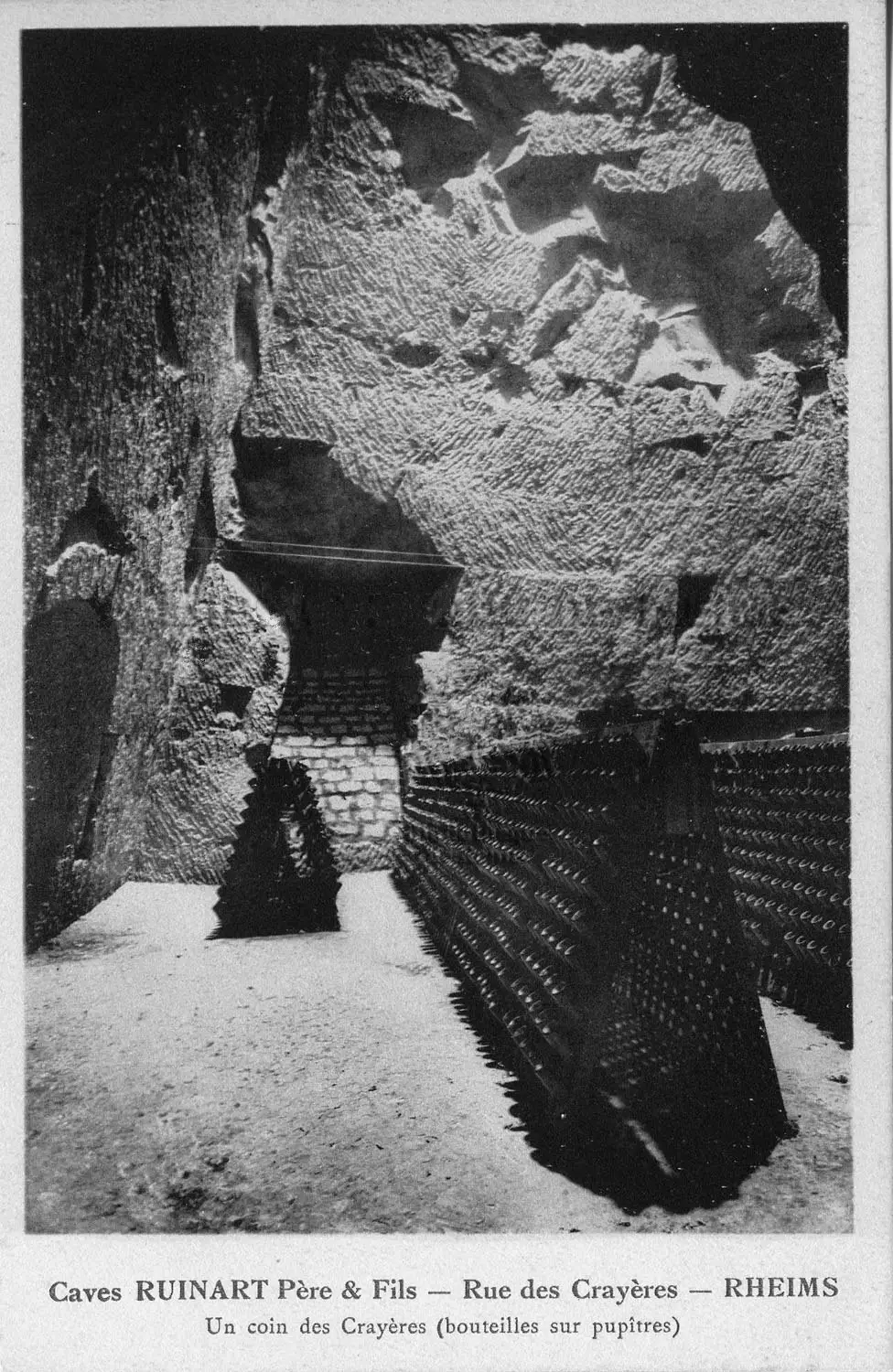
Taittinger’s entrance at 9 place Saint-Nicaise leads to Gallo-Roman chalk quarries and remains of the medieval Abbey of Saint-Nicaise, eighteen metres below ground. The house describes numerous stairs and a cellar temperature of approximately 12°C. Its Instant Rosé visit lasts seventy minutes; the route’s physical character matters as much as the number of wines at the end when booking for someone who finds stairs difficult.
Mercier offers a different underground journey at 68 avenue de Champagne: a driverless train runs through part of its eighteen-kilometre, single-storey network. The Founder lasts forty-five minutes and ends with Blanc de Noirs; the ninety-minute Bubble Talk adds a live guide and three cuvées. The route includes Gustave Navlet’s carved chalk reliefs, so the train ride introduces the house’s visual history as well as its bottle storage.
Pommery’s estate at 5 place du Général Gouraud combines Elizabethan-style buildings with chalk chambers and contemporary art. Its published access information describes a staircase of 116 steps, approximately 30m of depth and a cellar temperature of 10°C. Read the Pommery visit details alongside the named ticket: its self-guided and guided products are separate offers, and an art exhibition is part of this particular house’s setting.
Understand the wines in your ticket
A two-cuvée ticket means two named wines, not necessarily two vintage Champagnes. Moët’s Imperial Moment compares white and rosé Impérial; Grand Vintage compares vintage white and rosé. Taittinger’s Instant Duo Comtes names Comtes de Champagne Blanc de Blancs and Comtes de Champagne Rosé. Choose by the actual bottles listed on the product page if a specific prestige cuvée is the reason for your visit.
Blanc de Blancs and Blanc de Noirs describe the grapes behind a white Champagne. Ruinart Blanc de Blancs is Chardonnay; Mercier Blanc de Noirs uses Pinot Noir and Meunier. Rosé can involve a different technique: Laurent-Perrier Cuvée Rosé uses Pinot Noir and maceration, while Veuve Clicquot’s history records its blended rosé innovation in 1818. A comparison tasting gives these words a flavour and colour in the glass.
Vintage and non-vintage describe another distinction. A vintage wine comes from a single harvest year; many familiar house cuvées blend harvests using reserve wines. The Comité Champagne requires at least fifteen months of cellar maturation before release for non-vintage Champagne and at least three years for vintage cuvées. A long cellar stay does not mean a wine is automatically included in the simplest visitor ticket.
The Comité Champagne recommends a tall, tulip-shaped glass and a serving temperature of 8–10°C. Hold the glass so you can see the wine and leave space to smell it; the bulb and narrowing rim are intended to gather its aromas. A standard 75cl bottle supplies about six 12.5cl glasses according to the Comité, but tasting pours depend on the product: Veuve Clicquot explicitly lists four 6cl pours on Only One Quality, the Finest.
Make a realistic day and budget
Use the stated duration to anchor your day: Mercier’s Founder is forty-five minutes, Moët’s Imperial Moment ninety minutes, and Ruinart’s standard crayères visit two hours. A ninety-minute ticket starting at 11:00 occupies the period until about 12:30 before lunch or the journey to another address. Plan the next reservation around its own check-in instructions and walking route, not the total kilometres of tunnels beneath the town.
As a simple price comparison, one adult Imperial Moment at €48 and one adult Mercier Founder at €25 give a €73 ticket subtotal (checked October 2026). That arithmetic covers those two visits only. Rail travel, lunch, accommodation, purchases and transfers are extra. Our three-day itinerary and stay guide separate the ticket, travel and stay components, leaving you room to choose lunch and any bottles to bring home.
Aÿ and Hautvillers add vineyard villages to an Épernay stay. AYALA receives visitors at 1 rue Edmond de Ayala in Aÿ and quotes a ten-minute walk from the station; Geoffroy uses 4 rue Jeanson. Hautvillers’ public Saint-Sindulphe church contains Dom Pierre Pérignon’s tomb, while the surrounding former Saint-Pierre abbey is private. A village afternoon and a booked producer visit are different parts of the same excursion.
Pack for chalk, steps and the journey home
Mercier describes its cellars as 10–12°C all year, while Taittinger gives approximately 12°C and Pommery 10°C. Carry an extra layer even on a warm Avenue de Champagne afternoon, and choose shoes suited to Taittinger’s stairs or Pommery’s 116-step descent. Those published temperatures describe underground spaces; a vineyard cycling excursion also needs the operator’s outdoor clothing and weather instructions.
Access arrangements vary between houses. Moët & Chandon lists a lift and special wheelchair entrance; Mercier arranges wheelchair spaces on its visitor train directly. An accessible shop is not proof that every cellar route is step-free. Use the Reims access guide or Épernay access guide and send the selected producer your mobility, hearing or assistance requirements with the named reservation.
Children’s rules also belong to the house you book. Billecart-Salmon excludes under-twelves, while Lanson publishes separate price bands for ages seven to twelve and thirteen to seventeen, with under-sevens free. Mercier offers children and teenagers an alternative to Champagne and requires teenagers to attend with an adult. A family group should select its age bands on the actual product, then keep that reservation with the adult tickets.
Enjoy the tasting and leave the driving to someone else
For vineyard travel from Reims, À la Française’s e-bike listing requires confident cyclists, a minimum height of 155cm and a minimum age of twelve. Its programme puts tasting after the cycling and can substitute a minivan in unsuitable weather. Select the departure point carefully: Reims Centre tourist office at Cour de la Gare and Épernay tourist office at 7 avenue de Champagne are different meetings for this operator.
For a tasting day based on the Avenue de Champagne, walking between the booked addresses avoids a drive after alcohol. For village visits, book a driver, taxi or organised tour before opening the first bottle. Our car-free guide names the rail and transfer options. Please drink responsibly; cycling also requires a sober rider, even when the bicycle has electric assistance.
For the return to Great Britain, GOV.UK currently allows eighteen litres of still or sparkling wine in the wine category for eligible travellers aged seventeen or over. That is twenty-four standard 750ml bottles. Keep receipts and read the official rules before packing cases: personal allowances are individual, and exceeding a category requires declaration under the applicable rules. The bringing-Champagne-home guide links the agreeing GOV.UK pages.
Try a smaller-house appointment
Jacquinot & Fils receives visitors at 36 rue Maurice Cerveaux in Épernay, with appointments advertised at 10:30, 14:00 and 16:00. Its ninety-minute cellar visit with three wines starts at €30 (checked October 2026); the route descends twenty metres by 106 steps. A tasting without the underground visit is separately advertised, so an enquiry can start with the format your party can manage.
At AYALA, the introductory tasting is a thirty-minute, two-wine format from €30, while Experience AYALA combines a ninety-minute visit with three wines from €60 (checked October 2026). The house is at 1 rue Edmond de Ayala in Aÿ. Its ninety-minute Vintage offer is advertised in English, giving an example of why language must be selected against the specific product. Keep the direct reservation from AYALA with your Aÿ train plans and the house’s ten-minute station walk.
How to say it
Reims is one syllable, roughly “rance”, with a nasal vowel and an audible final s: French /ʁɛ̃s/. Keep the vowel in the nose instead of adding an English “n” sound. Hear French speakers say Reims.
Épernay is roughly “eh-pair-neh” (/e.pɛʁ.nɛ/), in three syllables. The final sound is closer to the vowel in “bet” than a long English “ee”. Aÿ can be approached as “ah-ee”, run together towards “eye”; the two dots belong over the y. These English spellings are approximations for asking about Épernay station or an Aÿ appointment.
Moët sounds roughly “mo-ett”: say the final t. Moët & Chandon’s own pronunciation note links that sound to founder Claude Moët’s Dutch family name. Hautvillers is approximately “oh-vee-lay” (/ovile/); the initial h, the t and the final written rs are silent. Listen to Hautvillers in French before arranging your village taxi.
Plan your trip to Champagne
Get there
Book a tour
Select the departure point and date on the booking page. Check the meeting point, language and inclusions before paying.
Compare tours ↗We may earn a commission if you book through these links, at no extra cost to you.