
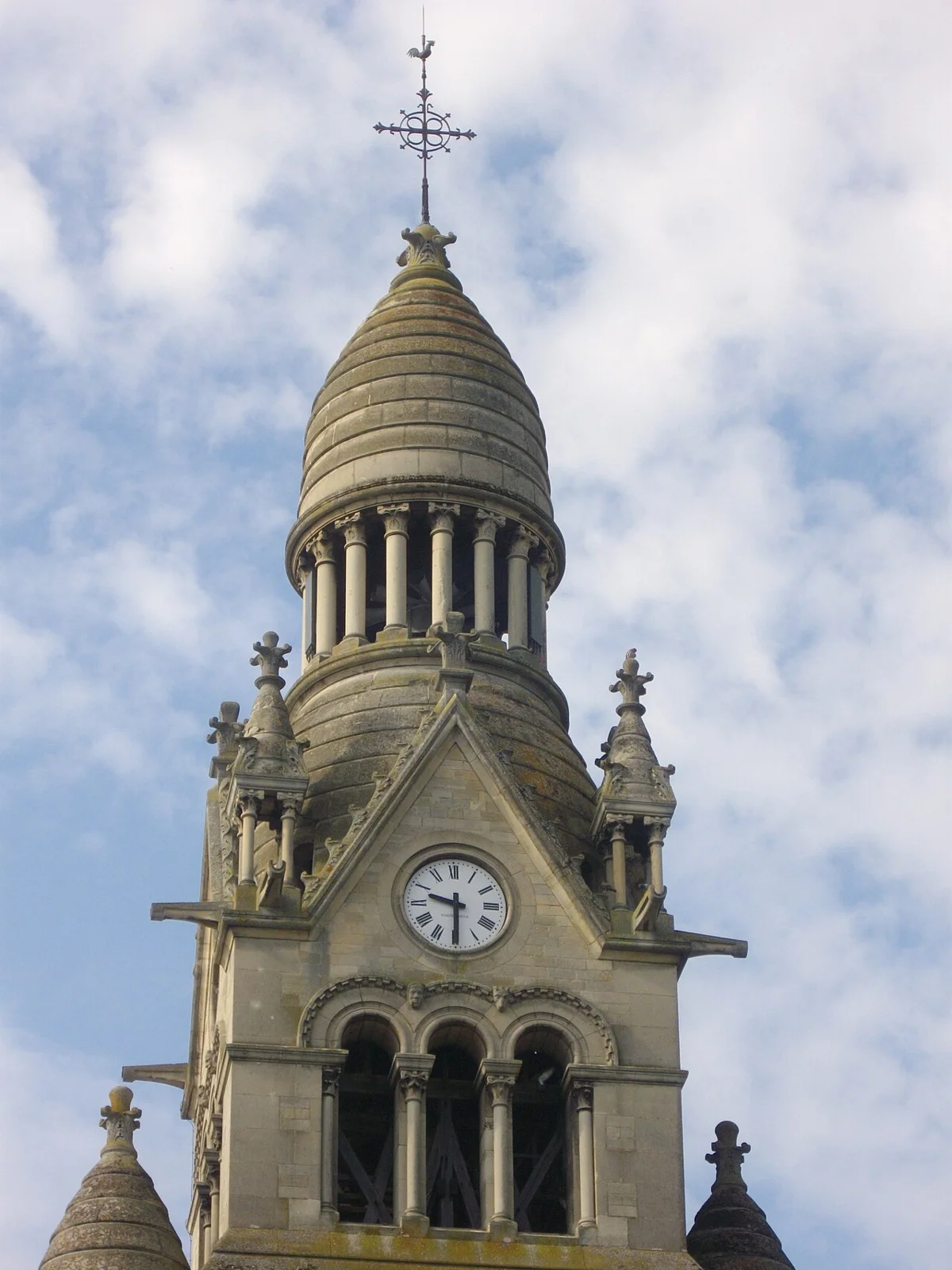

History
Jacquinot’s family account places the estate’s origins around the French Revolution and preserves photographs of the 1896 harvest. Pierre Jacquinot developed the vineyards after the First World War, working both as a grape broker and as a Champagne merchant.
Pierre installed his own press in 1929 and began producing wine. The house states that this original press remains in use. Its survival connects an identifiable piece of working equipment with the period before the Jacquinot & Fils brand was formally established.
Pierre, Jacques and Jean-Guy created Champagne Jacquinot et Fils in 1947. The brothers divided their responsibilities: Jacques led sales and Jean-Guy developed the vineyards. The producer’s account gives a seventeen-hectare estate and describes the later involvement of Jean-Guy’s son Jean-Manuel and Jacques’s son-in-law François Nicolet.
Jean-Manuel became the production oenologist in 1998. The winery’s published annual cycle places blending in February and tirage in the final week of March. Refrigerated clear juice is taken to Épernay, fermented in temperature-controlled tanks and later bottled for its second fermentation. This modern sequence sits alongside the older press retained from Pierre’s time.
The rue Maurice Cerveaux property has limestone cellars twenty metres below ground, connected by 106 steps. Private Cuvée, identified as the signature blend, uses seventy percent Chardonnay and thirty percent Pinot Noir. The catalogue also contains single-variety Blanc de Blancs, Blanc de Noirs and Blanc de Meuniers, plus Collection Pierre Jacquinot, preserving the founder’s name within the wines.
From the February blend to March bottling
Jacquinot grows Chardonnay, Pinot Noir and Meunier. Its production account describes refrigerated clear juice brought to the Épernay winery, then alcoholic fermentation in temperature-controlled tanks. Blending takes place in February, when each tank is analysed and tasted to prepare the future cuvées.
The published calendar places tirage, or bottling for the second fermentation, in the last week of March after cold stabilisation and filtration. The cellar route introduces vats and machinery as well as the underground galleries. Production stages vary by season: a visit in October is not advertised as an opportunity to watch the March bottling operation.

The cellar tour and its staircase
Private tours are available. The online visit request asks for name, email, telephone, adult and under-18 child numbers, date, preferred time and a message. Its time choices are 10:30, 14:00 and 16:00. These are request options subject to availability, not a guarantee that every day has three departures. For requests less than 24 hours ahead, the house directs visitors to telephone +33 3 26 54 36 81.
Private Cuvée: the signature blend
Private Cuvée is identified by Jacquinot as its signature Champagne, blending 70% Chardonnay and 30% Pinot Noir. The house suggests it with poultry or as an aperitif. Alongside Brut, its product page lists Brut Nature, Extra Brut and Demi-Sec versions, and formats including half-bottles, magnums and jeroboams.
Those dosage alternatives are different releases of a named blend; they are not different grape varieties. The official Private Cuvée page supplies the technical sheet and the available versions. The €30 visit specifies three Champagnes but does not promise a complete tasting of every dosage level.
Three single-variety wines
The Blanc de Blancs is 100% Chardonnay from a single plot called L’Almeida and is certified Viticulture Durable en Champagne. Jacquinot recommends it with oysters, seafood and fish. The grape and plot are more precise identifiers than a general blanc de blancs label.
Blanc de Meuniers is a 100% Meunier cuvée, also carrying the house’s sustainable-viticulture certification. Jacquinot describes it as completing a trilogy of single-variety and parcel wines, alongside its Blanc de Blancs and Blanc de Noirs. The full range also includes Réserve 29 Rosé, Symphonie, Symphonie Rosé, Harmonie Blanche Extra Brut, Harmonie and Collection Pierre Jacquinot.
An off-Avenue visit in Épernay
The official town plan places Jacquinot on rue Maurice Cerveaux, along with Alfred Gratien at number 30. Gosset’s visitor domaine is a different nearby Épernay address, 12 rue Godart Roger; its Aÿ history does not make Aÿ the correct meeting place for that visit. These are separate appointments linked from the Épernay guide.
Access and facilities
Jacquinot & Fils receives visitors by appointment at 36 rue Maurice Cerveaux in Épernay. The 90-minute tour reaches limestone cellars 20 metres underground by a staircase of 106 steps, then serves three Champagnes for €30 per person. A separate tasting costs €20 (checked October 2026).
The official “Visits and tastings” page lists a 90-minute appointment and a €30 tour with three Champagnes (checked October 2026). The route covers the vats, machinery and limestone cellars. It states explicitly that the underground route is accessible only by stairs: visitors descend and climb the 106-step staircase. No lift-based cellar route is advertised.
Jacquinot’s official page separately prices tasting at €20 per person (checked October 2026). The page does not give that option a duration or state which particular cuvées are poured. A non-stair tasting arrangement must therefore be requested from the house; the existence of a tasting-only tariff does not establish the accessibility of its room.
For a town-centre overnight base, use the named Épernay accommodation options and the Booking.com links there. Jacquinot’s 106-step route is the key booking constraint for this particular visit. The cellar preparation guide covers underground clothing and footwear, while the house handles requests about the actual stairs and tasting reception.
Use Jacquinot’s own visit form for either the cellar appointment or a tasting request. The official address is 36 rue Maurice Cerveaux, while the tourist office’s town plan lists the property as 34–36. Both refer to this Épernay site, separate from the Avenue de Champagne visitor entrances.
Official booking and sources
Open the house’s visitor page for the named venue. Visitor information and quoted tariffs reviewed 23 October 2026.
Plan nearby visits
Build your visit into a fuller stay with our Épernay guide, compare tours and packages and find somewhere comfortable to stay.
Plan your trip to Épernay
Get there
Book a tour
Select the departure point and date on the booking page. Check the meeting point, language and inclusions before paying.
Compare toursWe may earn a commission if you book through these links, at no extra cost to you.