

History
Olivier Collard and Caroline Picard founded their joint estate in 1996, the year of their marriage. Olivier’s family came from Villers-sous-Châtillon in the Marne Valley; Caroline’s came from Le Mesnil-sur-Oger in the Côte des Blancs. The house traces the families’ winegrowing roots to 1889.
Olivier’s grandfather René Collard was particularly associated with Meunier. Caroline’s father Dominique Picard grew Chardonnay in the Côte des Blancs. Their descendants’ sixteen-hectare estate comprises fifty-two plots, with Chardonnay holdings around Le Mesnil-sur-Oger, Oger and Vertus and black-grape vineyards around Villers-sous-Châtillon, Reuil and Binson-et-Orquigny.
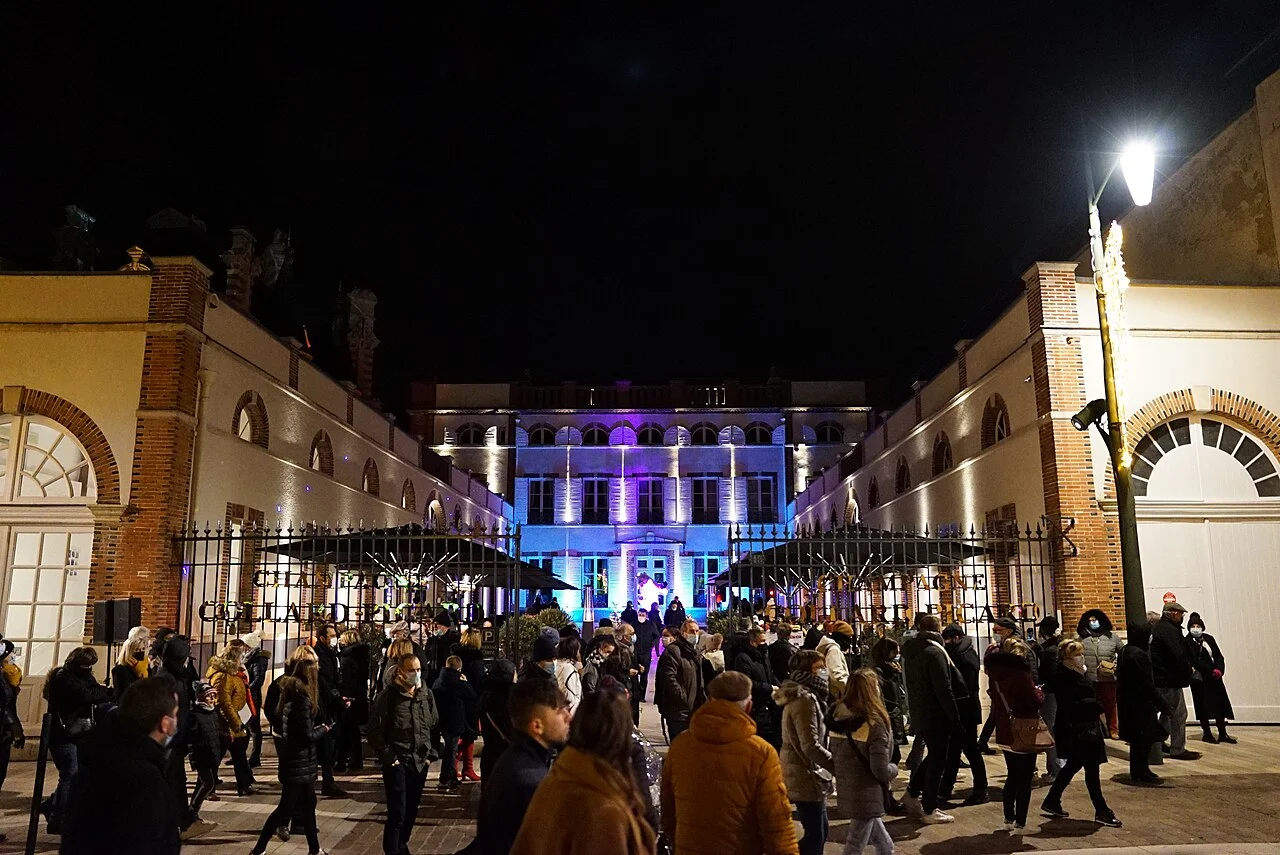
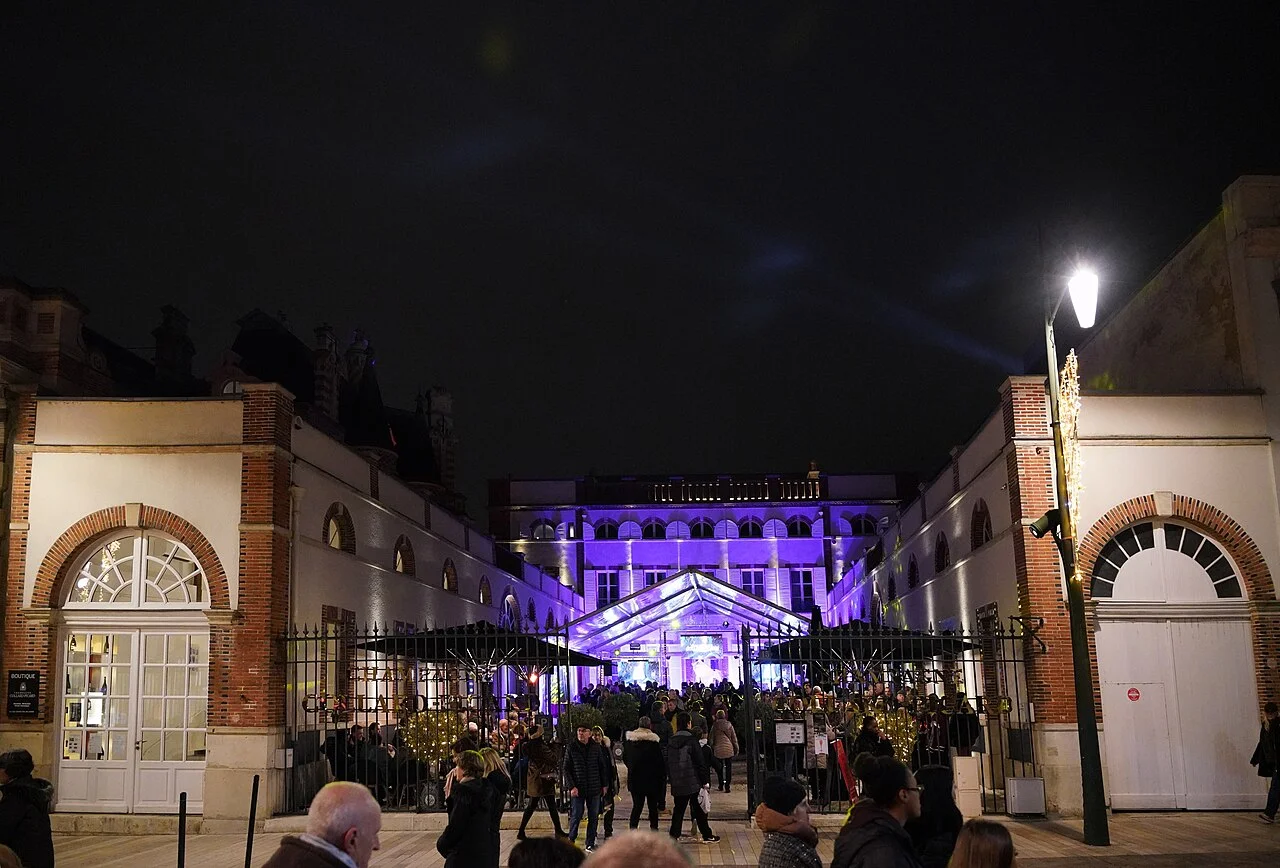
For their first ten harvests Olivier and Caroline used Olivier’s parents’ cellars. They built their own production facility at Villers-sous-Châtillon in 2006. The Épernay tasting address at 15 avenue de Champagne followed in 2013, creating a public-facing Avenue venue distinct from the village winery.
Their son Alexandre joined from the 2024 harvest after studying wine management with the OIV. That same harvest marked the introduction of clay and sandstone amphorae alongside the cellar’s 72-hectolitre oak foudres. Indigenous yeasts and the decision to avoid malolactic fermentation belong to the house’s documented production method.
Perpétuelle combines Chardonnay, Pinot Noir and Meunier and draws on a reserve begun in 2008. Other cuvées retain the two-family geography in their composition: Racines is entirely Meunier, while Dom. Picard is Chardonnay from Le Mesnil-sur-Oger. The names and parcels record the origins brought together by the 1996 partnership.
The Collard and Picard families
The domaine’s present 16 hectares connect the two family regions. It describes its Champagne as Récoltant-Manipulant, or grower Champagne, and traces the families’ winegrowing roots to 1889.

A production cellar built in 2006
The working cellar in Villers-sous-Châtillon was built in 2006, ten years after the estate’s foundation. Before that, Olivier and Caroline made ten harvests in Olivier’s parents’ cellars. The new facility remains the production headquarters; the Avenue tasting room opened separately in 2013.
Villers-sous-Châtillon cellar appointments are hosted by Olivier and/or Alexandre. The house describes a private visit covering the vineyard or cellar, winemaking and a tasting with petits fours. Its own page states Monday–Friday by appointment and lists parking. The telephone for both addresses is +33 3 26 52 36 93; requesting “the cellar visit in Villers-sous-Châtillon” prevents a reservation being confused with an Avenue tasting.
52 plots across two vineyard regions
The 16-hectare estate is divided into 52 plots. Chardonnay comes from Le Mesnil-sur-Oger, Oger and Vertus; Pinot Noir and Meunier sites include Villers-sous-Châtillon, Reuil and Binson-et-Orquigny. This gives the tasting a specific geographic contrast: chalk-country Chardonnay from the Côte des Blancs beside the Marne Valley’s black grapes.
Oak foudres, native yeasts and amphorae
At the Villers-sous-Châtillon production address, the cellar uses a Coquard press with a cooling trough and gravity transfer of juice. Fermentation uses indigenous yeasts, and malolactic fermentation is deliberately avoided. Collard-Picard identifies 72-hectolitre oak foudres as a principal vinification and ageing vessel; clay and sandstone amphorae joined the cellar from the 2024 harvest.
For cuvées intended for long maturation, the house ages bottles under cork. Dosage is generally low, with Extra Brut and Brut Nature styles represented in the range. These are the processes explained at the village cellar; the Avenue venue shows an immersive film about production but is not the production cellar itself.
ADN, Perpétuelle and the family tributes
ADN Noir combines equal parts Pinot Noir and Meunier from a perpetual reserve begun in 2015. Its published minimum bottle ageing is six years, with Extra Brut at 3 g/L or Demi-Sec at 39 g/L. ADN Rosé instead has a predominantly Chardonnay base and a small proportion of red wine. These two ADN wines illustrate why colour, grape blend and dosage are separate label details.
Perpétuelle uses a reserve begun in 2008 and a blend of 50% Chardonnay, 25% Meunier and 25% Pinot Noir, at 4 g/L. Racines is 100% Meunier and honours René Collard; Dom. Picard Grand Cru is 100% Chardonnay and honours Dominique Picard. The current Dom. Picard release named on the website is the 2021 vintage, from Le Mesnil-sur-Oger and Oger.
Tasting at 15 avenue de Champagne
Caroline Collard and her team run the Épernay tasting room. Its current official visitor page says it opens every day without appointment and accepts groups up to 40. Facilities listed by the house include a terrace, private parking, bottle sales and an art gallery in partnership with Richard Orlinski. Culinary accompaniments and the production film are part of the setting described on that page.
The Comité Champagne directory still describes an appointment-only Avenue welcome, while the house’s current visitor page explicitly allows walk-ins. This guide follows the producer’s own newer instructions for number 15. A current complete tasting-price list was not available on that page, so the official visit and contact route supplies the quotation instead of an invented “from” price.
The western Avenue walk
The Épernay guide places the Collard-Picard room at number 15 between the Château Perrier museum at 13 and Moët & Chandon’s visitor entrance at 18. Those are separate purchases: tasting at Collard-Picard does not include either the museum or a Moët cellar ticket. For the working-estate experience, use the Villers-sous-Châtillon address, not the Avenue street number.
Access and facilities
Collard-Picard holds HVE Level 3 certification. Its published cultivation programme combines organic amendments and compost with shallow cultivation under vine rows and natural grass between them. Pruned wood is shredded and returned to the soil. The seasonal vineyard account also describes debudding, lifting and trellising; those are working-estate practices, not an assurance that a visitor will see each operation on one appointment.
Collard-Picard has two visitor sites: the tasting room at 15 avenue de Champagne in Épernay and the working cellar at 1 rue du Vicomte de Chenizot in Villers-sous-Châtillon. The Avenue accepts tastings without appointments; the village cellar receives visits by prior reservation.
Official booking and sources
Open the house’s visitor page for the named venue. Visitor information and quoted tariffs reviewed 23 October 2026.
Plan nearby visits
Build your visit into a fuller stay with our Épernay guide, compare tours and packages and find somewhere comfortable to stay.
Plan your trip to Épernay
Get there
Book a tour
Select the departure point and date on the booking page. Check the meeting point, language and inclusions before paying.
Compare toursWe may earn a commission if you book through these links, at no extra cost to you.