

History
Auguste Boizel and Julie Martin created Boizel-Martin in 1834. Both had worked as pastry chefs and came from the Côte des Blancs; Julie’s family also owned vineyards at Aÿ and Mareuil-sur-Aÿ. They established their wine business in Épernay. By 1851 its Champagne was being shipped to Britain, where the Hedges-Butler family represented the house for more than a century.
Édouard, the founders’ son, and his wife Adèle introduced Brut Champagne in 1872. Jules and Louise followed with the family’s first Blanc de Blancs in 1929. That Chardonnay milestone survives in the house’s physical collection: the Trésor cellar retains a few bottles of 1929 as well as bottles dating to the founding year, 1834.
The 1961 harvest supplied René Boizel’s first Joyau de France. Later additions included Sous Bois in 1990 and Ultime Zéro Dosage in 2008. These dates mark different strands of the catalogue: prestige vintage Champagne, oak-vinified wine and a Champagne finished without dosage. Sixth-generation brothers Florent and Lionel Roques-Boizel joined in 2010.
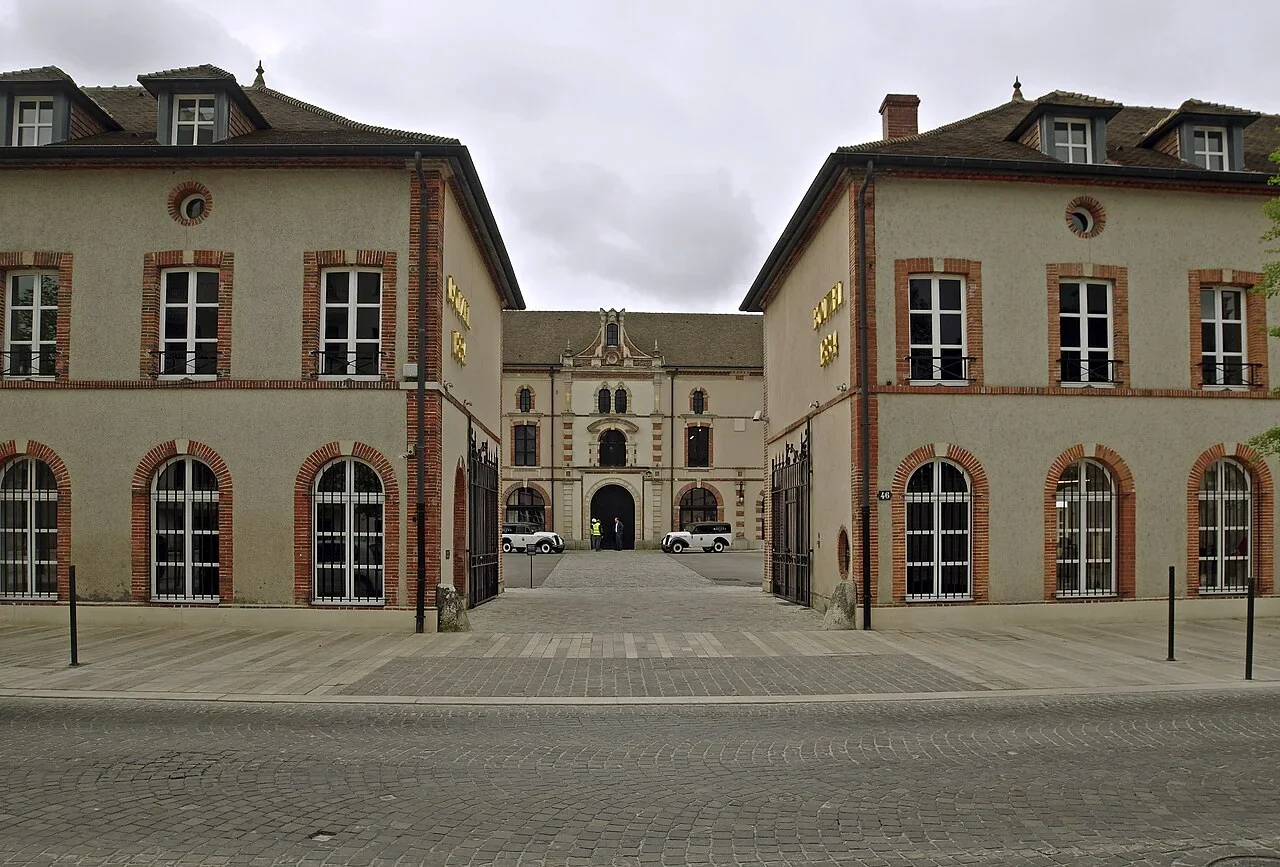
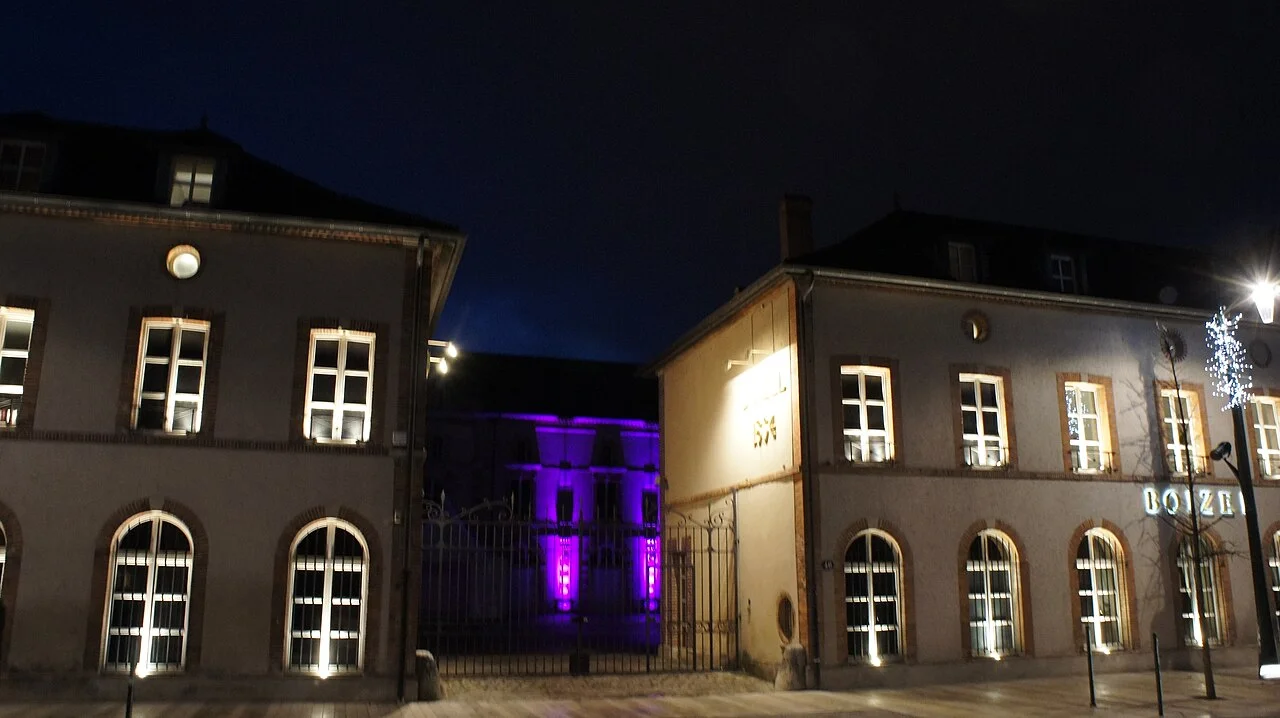
After two years of restoration, Atelier 1834 opened in 2018 at 46 avenue de Champagne. Its name deliberately recalls the founding year. The working premises include stainless-steel vat rooms and a dedicated space for barrels, foudres and smaller vessels. The family’s seven hectares include Avize and Le Mesnil-sur-Oger, villages connected with its Côte des Blancs origins.
Collection Trésor releases give measurable evidence of long cellar ageing. The 1985 technical sheet records thirty-three years on lees and disgorgement in June 2019; the 1990 release records twenty-eight years on lees. Both are finished at 3 g/L dosage. They are individual released wines from a family collection, alongside older bottles retained as the house’s archives.
Boizel: the place and its story
The official booking catalogue lists Millésime at €40 and Joyau at €60, checked October 2026. Both last approximately ninety minutes, for up to twelve visitors. Millésime includes two champagnes; Joyau specifies two prestige vintage champagnes. Trésor is the separately listed private format, booked through the same house catalogue.
Atelier 1834’s boutique is listed daily from 10:00 to 18:00, extending to 19:00 on Friday and Saturday. The published visits telephone is +33 (0)3 26 55 91 49. A boutique visit and a booked guided cellar tour are separate formats.
The house’s Blanc de Blancs account identifies Chouilly, Le Mesnil-sur-Oger, Avize and Vertus as contributing villages. It uses only Chardonnay from Grand and Premier Crus in the Côte des Blancs, with every cru vinified separately before blending. The 2021 production article records seven hectares of family vineyards, including Avize and Le Mesnil-sur-Oger.
The restored 2018 production facilities include a dedicated cellar for barrels, tuns and small vats. The public Atelier 1834 reception sits within those working premises on avenue de Champagne; its name combines the workshop concept with the founding year.
Brut Réserve contains 40% Pinot Noir, 35% Chardonnay and 25% Meunier from roughly thirty crus. Only first-press juice is used, with 40% reserve wines from the two previous harvests. The published figures are three years on lees and 7g/l dosage; the recommended serving temperature is 8–10°C.
Rosé Absolu combines 40% Pinot Noir, 30% Chardonnay and 30% Meunier. Red wine supplies 8% of the assemblage, sourced from Pinot Noir grown in Cumières and Les Riceys. Its production account gives three years on lees, 30% reserves and 7g/l dosage. Boizel suggests cold meats, lamb and red-fruit desserts as pairings.
Joyau 2013 combines 55% Pinot Noir and 45% Chardonnay, with 10% of the wines vinified in oak. Its specification gives ten years on lees and a 3.5g/l dosage. The house suggests seared scallops, roast langoustines, truffled poultry and porcini risotto as pairings.
Sous Bois 2009 is vinified entirely in old oak barrels. Its blend contains 60% Chardonnay and 40% Pinot Noir, with thirteen years on lees and 4g/l dosage. The wine’s oak treatment makes the barrel cellar seen on the visit relevant to a named cuvée in the range.
Collection Trésor 1990 combines 60% Pinot Noir, 30% Chardonnay and 10% Meunier. It was vinified in stainless steel and aged twenty-eight years on lees, with 3g/l Extra Brut dosage. The harvest account records April frost followed by a hot, dry summer and picking from mid-September.
Collection Trésor 1985 uses 45% Pinot Noir, 40% Chardonnay and 15% Meunier. Its technical record specifies stainless-steel vinification, thirty-three years on lees, disgorgement in June 2019 and 3g/l dosage. Picking took place in early October after a very cold winter and an unsettled spring. The recommended serving temperature for this release is 10–12°C.

Visits and tastings
| Experience | Duration | Adult price from | Tasting | Languages | Booking |
|---|---|---|---|---|---|
| Millésime | 90 minutes | €40 (checked October 2026) | Two champagnes | Ask the house | Official booking |
| Joyau | 90 minutes | €60 (checked October 2026) | Two prestige vintage champagnes | Ask the house | Official booking |
What the vats and barrels explain
Boizel’s production account names temperature-controlled stainless steel as its principal fermentation vessel, supplemented by barrels and large oak foudres. Parcels and crus are vinified individually, including in small tanks, before malolactic fermentation. The separate barrel cellar and steel vat room therefore represent two methods used in the current wines, rather than an architectural contrast alone.
From January to April, Florent and Lionel taste the year’s wines with Christophe and Evelyne Roques-Boizel. Reserve wines are retained separately between harvests before selection for non-vintage blends. The house’s general maturation account gives a minimum of three years, extending to fifteen for some Joyau releases and several decades for Collection Trésor. The precise vintage sheets above identify which ageing period belongs to which bottle.
La Montagne: white Champagne from Pinot Noir
La Montagne Blanc de Noirs Premier Cru is entirely Pinot Noir, with named origins including Cumières, Mailly and Chigny-les-Roses. The current house specification gives 20% reserve wines, three years on lees and 6 g/L dosage. Boizel describes careful harvesting to prevent the dark grape skins colouring the juice; “Blanc de Noirs” here refers to a white wine made from this black grape.
The house recommends 8–10°C service and pairs La Montagne with poultry and wild mushrooms, veal with morels, cured ham or charcuterie. Its entirely Pinot Noir blend contrasts with Brut Réserve’s three varieties and La Côte’s Chardonnay. These are named wines to enquire about at Atelier 1834; the Millésime and Joyau visit tickets each include two specified pours rather than the entire catalogue.
Two Grand Cru wines from the 2020 harvest
Avize 2020 Blanc de Blancs Grand Cru is entirely Chardonnay from the Côte des Blancs village where the family owns vines. Its current technical sheet specifies five years on lees, 3.5 g/L dosage and vinification split between 70% stainless steel and 30% barrels. Boizel describes the village’s east- and south-east-facing chalk slopes as the source of the wine’s character.
Tours-sur-Marne 2020 Blanc de Noirs Grand Cru is entirely Pinot Noir, with five years on lees and the same 3.5 g/L dosage, but 100% stainless-steel vinification. The village stands where the Montagne de Reims meets the Marne Valley. Boizel suggests roast poultry, truffle risotto or 24-month Comté with this cuvée. The two 2020 wines isolate village and grape differences more precisely than the broader non-vintage blends.
Access and the tasting-only option
The tourist office distinguishes tasting-only offers from guided visits: glasses of 10 cl and tasting workshops of two or three 6 cl glasses are listed within a €12–35 range, checked October 2026. Its child ticket is €15 with an artisanal fruit juice. The house’s own current Millésime and Joyau booking pages specify approximately 90 minutes; the regional directory’s shorter average should not replace the duration of the selected product.
Access and facilities
The Comité Champagne directory specifically lists a wheelchair-accessible entrance, toilets and cellar tour at Atelier 1834. Épernay’s tourist-office listing adds a lift, private parking, cycle parking, terrace and Wi-Fi. For a particular wheelchair or mobility requirement, contact visites@boizel.fr when reserving the 46 avenue de Champagne appointment so that the accessible route can be arranged.
Boizel’s Atelier 1834 is at 46 avenue de Champagne. The house dates its foundation to 1834. The Épernay tourist office describes the cellar, barrel store, stainless-steel vat room, historic cave and Trésor as the production and heritage spaces associated with a visit.
Official information
Explore around the house
Build your visit into a fuller stay with our Épernay guide, compare tours and packages and find somewhere comfortable to stay.
Plan your trip to Épernay
Get there
Book a tour
Select the departure point and date on the booking page. Check the meeting point, language and inclusions before paying.
Compare tours ↗We may earn a commission if you book through these links, at no extra cost to you.